The Leader In Mobile Healthcare
About
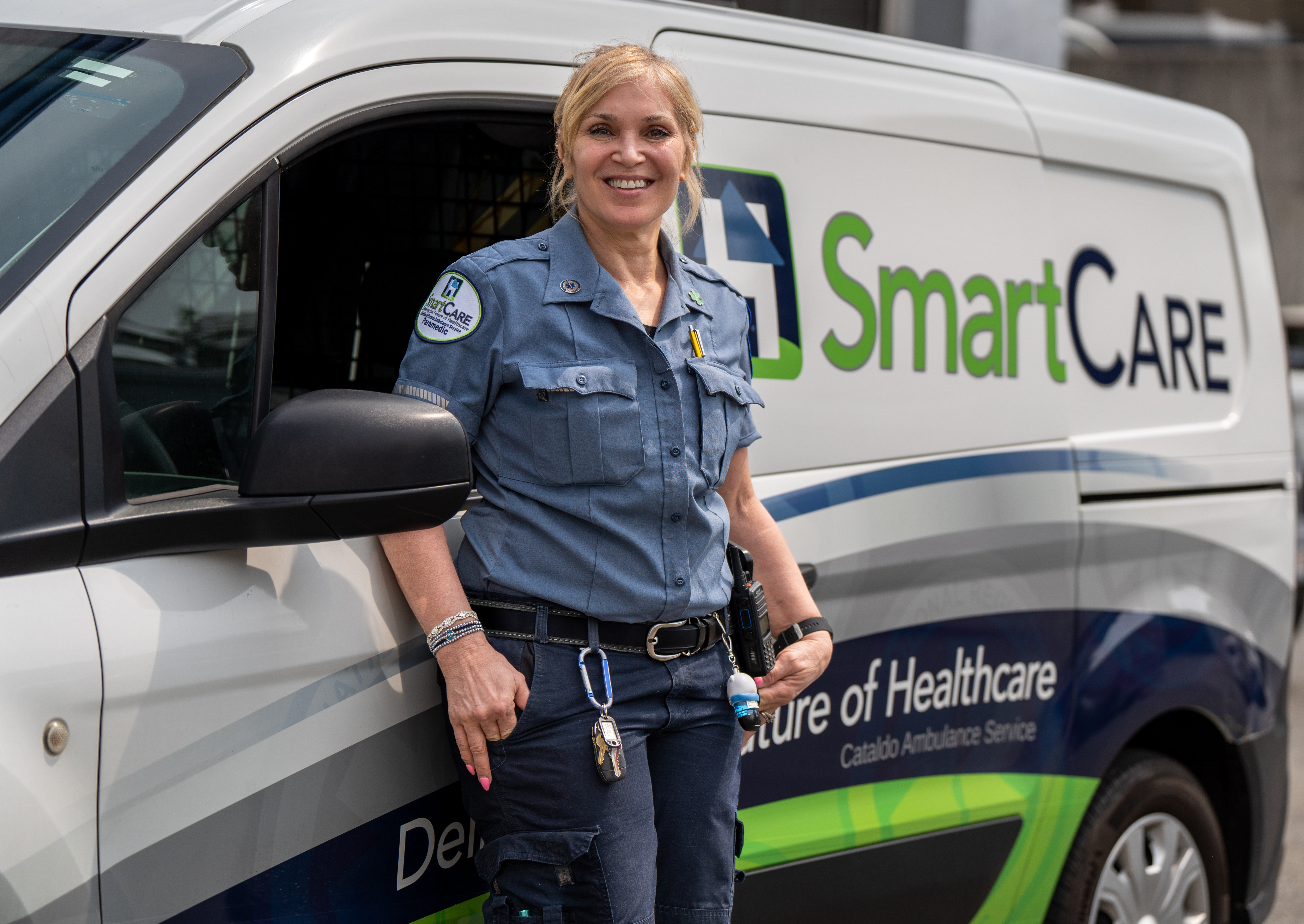
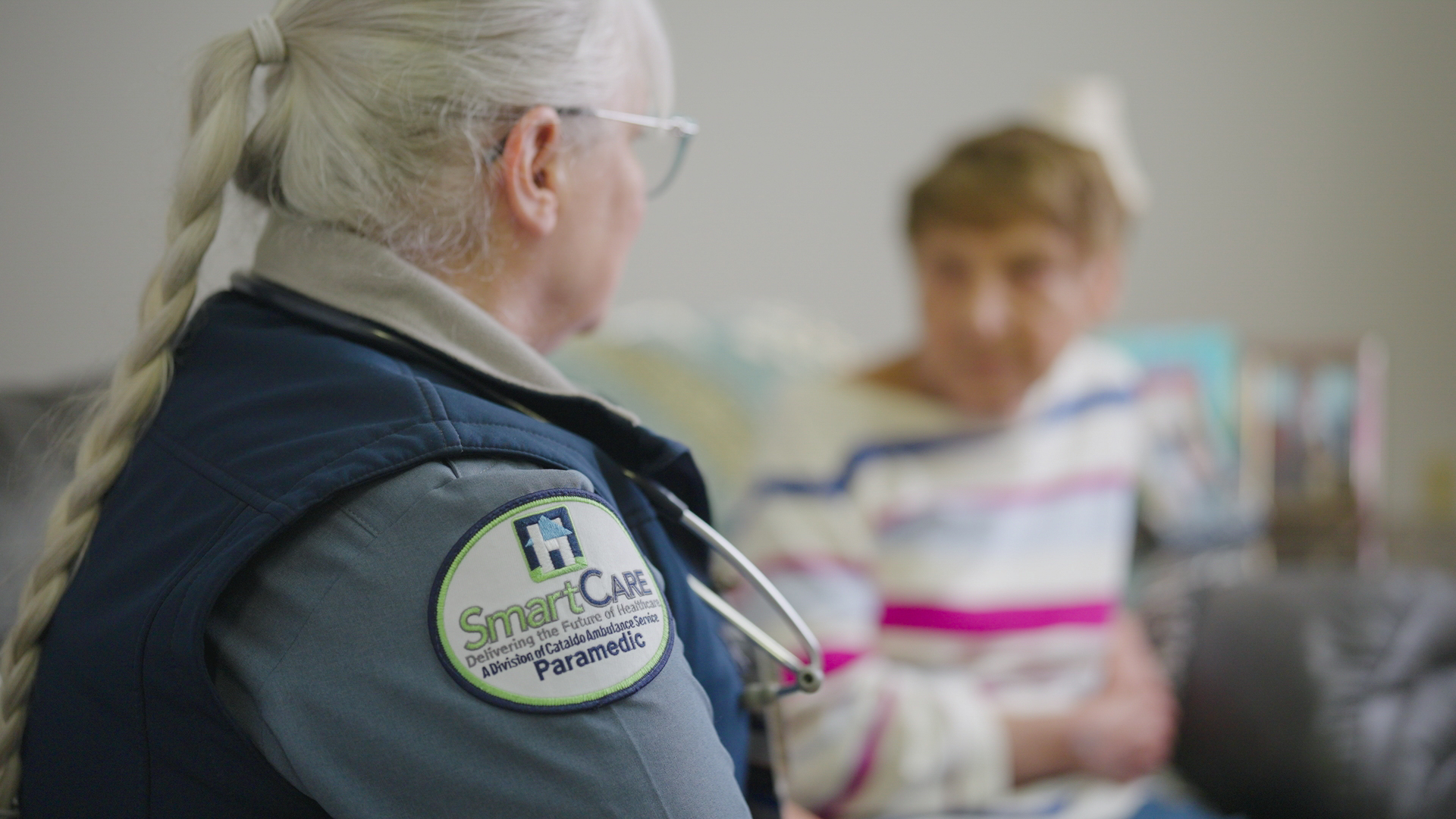
SmartCare offers patients access to quality, clinical care in an alternative setting through mobile integrated healthcare (MIH) and community paramedicine (CP). Clinicians visit patients in their home, supporting after hours urgent-care needs. The result: reducing ER visits and unnecessary hospitalizations, and creating an alternative for patients unable to manage office visits.
More than seven years ago, SmartCare had a vision. Patients with chronic conditions tend to visit their physician often. These same patients, if calling after hours, might be directed to their local ER, where because of their complexity, they could end up being admitted. SmartCare agreed with physician groups that there was a better way to handle these patients and others with urgent, but not emergent, needs after hours.
In 2019 SmartCare was awarded the first mobile integrated healthcare (MIH) license in Massachusetts. Today, SmartCare is actively supporting these types of patients. Partnering with healthcare groups and payors across Massachusetts, SmartCare offers uninterrupted services to patients, alternatives to traditional in-office visits, and flexible programs designed to meet the unique needs of specific patient populations.
About MIH
Mobile Integrated Healthcare (MIH) is a system of mobile hospital services that brings medical care directly to patients outside of traditional clinical settings, utilizing mobile resources such as community paramedicine teams, EMTs, ambulances and other traditional EMS responders . MIH aims to provide timely, cost-effective, and patient-centered care by leveraging technology, interdisciplinary collaboration, and community partnerships. Key components of MIH include preventive care, chronic disease management, urgent care, and post-discharge follow-up. This approach not only improves access to healthcare services for underserved populations but also helps reduce unnecessary emergency department visits and hospital admissions, ultimately improving overall health outcomes and reducing healthcare costs.
MIH-CP | The SmartCare Process
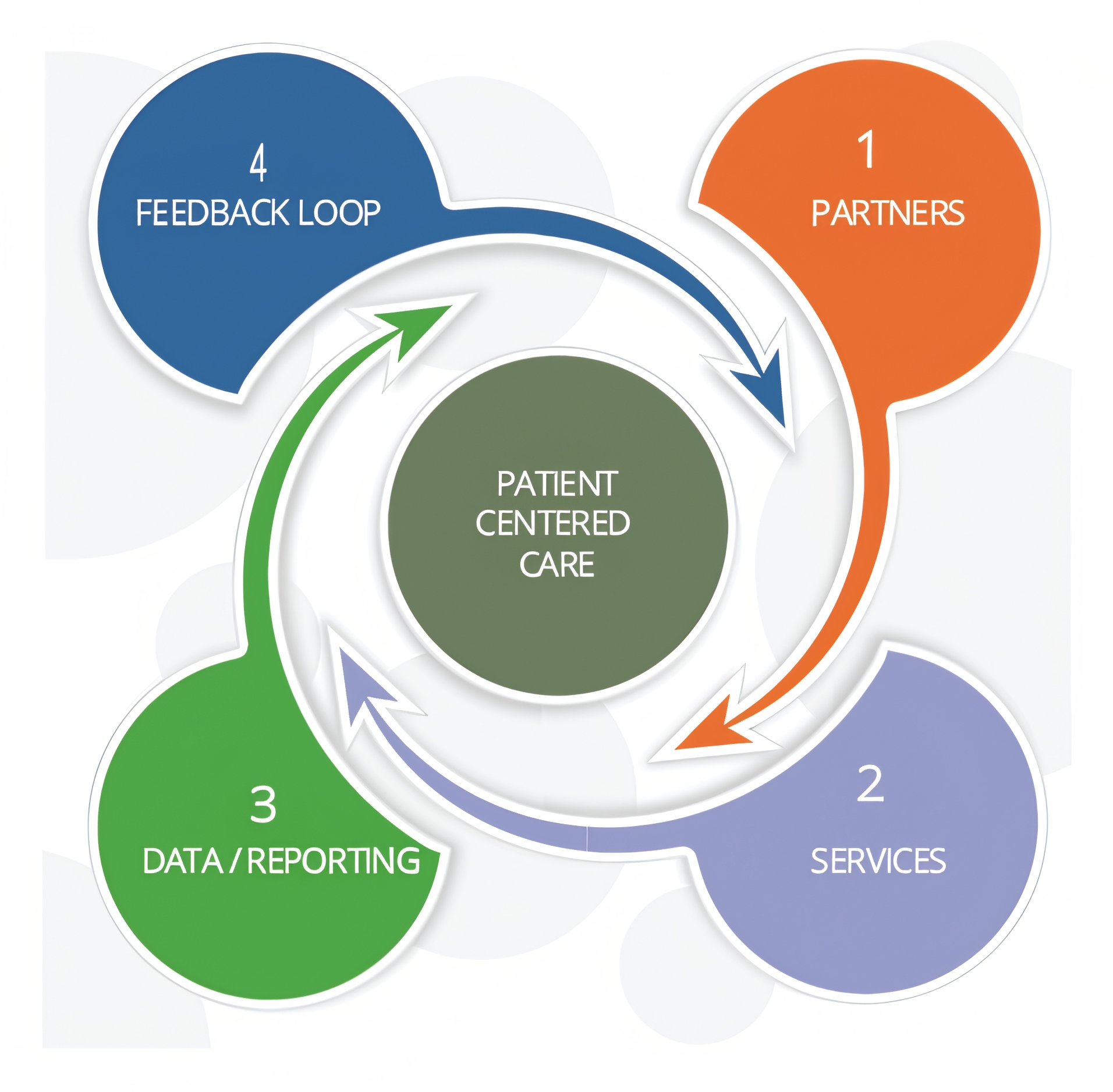
- SmartCare connects with user-partners to identify needs and programmatic applications.
A gap analysis is created, identifying opportunities for MIH to support patient care and improve patient outcomes.
An application is submitted to the state to formalize the care/support relationship, and a formal contract is developed. - Working closely with healthcare partners, SmartCare supports the development of a custom designed MIH program. Workflows are created, and a timeline is developed to introduce MIH services to patient populations.
Partners collaborate with a dedicated SmartCare call center to assign and schedule SmartCare interventions. - Every patient intervention is appropriately documented and communicated to the patient care team, data is collected, and post visit reporting is delivered.
Workflows are adjusted as necessary to improve services and patient outcomes. Input from healthcare partners, medical control and the SmartCare MIH user group supports ongoing process improvement and innovation for improved service delivery and patient satisfaction. - SmartCare works with user-partners to improve programs, adding and adjusting services or expanding programs. Opportunities for user-partners to share best practices and use cases allow teams to refine service offerings and develop innovative approaches in support of future patient needs.
History of MIH
Mobile Integrated Health (MIH) has a longer history than one would expect. Near the end of the 1990s, a few EMS agencies started testing “integrated healthcare delivery systems”, working with established entities of hospitals, physician groups, and nursing homes. The concept was to provide prevention and follow-up focused efforts toward illness and injury risks. Due to the nature of collaboration for these efforts, EMTs began utilizing telemedicine to reduce the number of emergency transports, ultimately saving time and resources for patients and providers alike.
Now, many EMS agencies like Cataldo Ambulance Service, have partnered up with local health providers to improve patient care as well as provide just the right level of care. By leveraging the medical expertise of trained EMS professionals, patients and providers end up saving valuable time and money by getting the patients the care they really need quicker and from the comfort of home.
Why SmartCare?
Recently discharged patients often face a risk of readmission following their hospitalization. For some patients, follow-up care can be difficult to coordinate, or there may be confusion about medication management.
SmartCare data shows that more than 90% of calls are resolved without an escalation to a local emergency room. Additionally, providers report a reduction in hospitalizations within 30 days of a SmartCare visit.
%
Cost Reduction in using SmartCare over a trip to the Emergency Room
%
Improved Outcomes


SmartCare provides a critical safety net for some of our most vulnerable patients, easing families' anxieties and helping avoid unnecessary re-hospitalizations.
Patricia Ahern, Former CEO of Care Dimensions