
FAQs
What is the Cost of SmartCare?
SmartCare Pricing Structures Available
Option 1: Fee for Service
In this model, services are reimbursed at an agreed upon fee schedule representing the level of service provided to a patient. The price for these services will be negotiated between the customer and SmartCare. Fees will give effect to the acuity of the patient visit, the anticipated response time once the visit is ordered, the locations where the visits will take place and the number of visits anticipated to be provided on a recurring basis. These fees may be affected by the protocols and medications requested by the customer or required at the time of service.
Option 2: Dedicated Service
Hourly Rates.
Option 3: Customized Price Structure
Reach out to our team to collaborate on a fully customized service and price structure tailored to your needs (e.g. Shared Risk).
Additional Paid Service Add-ons
- Call Center support
- After-hours and on-call services for clinical and Call Center staff
- Telehealth monitoring
What is the difference between 911 vs SmartCare?
According to the research, two thirds of hospital ED visits in the US annually, (by privately insured individuals)
are avoidable. Two thirds of 27 million annual visits, equals eighteen million avoidable, hospital emergency department visits that add $32 billion in costs to the healthcare system each year. “These patients can be treated safely and effectively in alternative settings.”* The most common conditions for which people had an avoidable ED visit were: sinusitus, stomach pain, rashes or skin conditions, acid reflux, bronchitis, dental pain, back pain, allergies, urinary tract infections, and ear and eye infections.**
‘’The [Public Health] Department is enabling local EMS to work with hospitals and clinics to provide preventive and treatment services to individuals at home. The Community EMS program is preventive in nature. Our Mobile Integrated Health initiative would allow for a clinician, hospital, and EMS partnership to provide home-based monitoring for chronic diseases, such as COPD or CHF, and provide post-hospital discharge home visits to reduce the chances for near term readmission.’’
1 Monica Bharel, MD, MPH , Massachusetts Public Health Commissioner
What is the Average Response Time of SmartCare?
Our service providers aim for a 1-2 hour response time depending on the state of the patient.
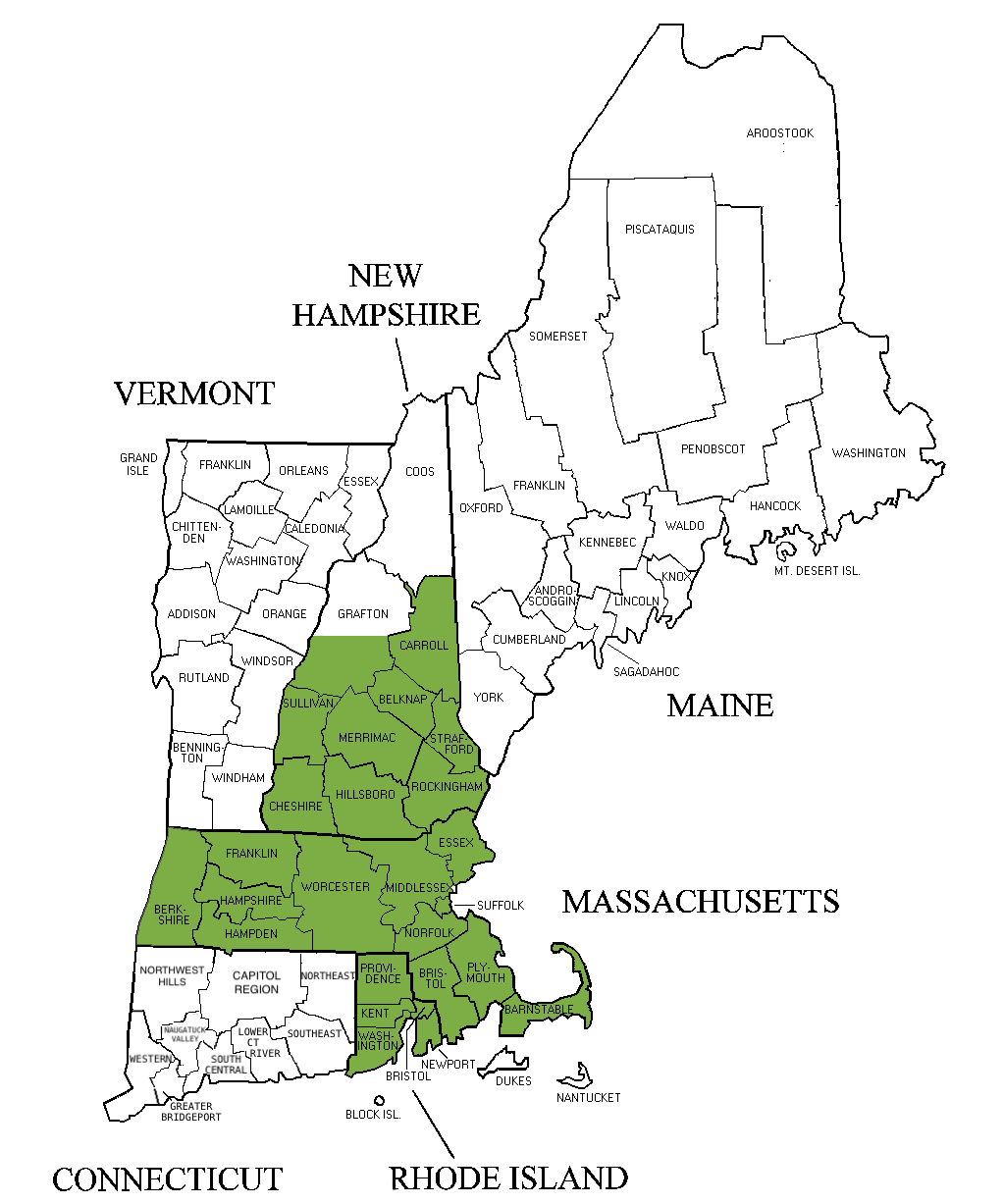
SmartCare Coverage Map
Get in Touch