Programs
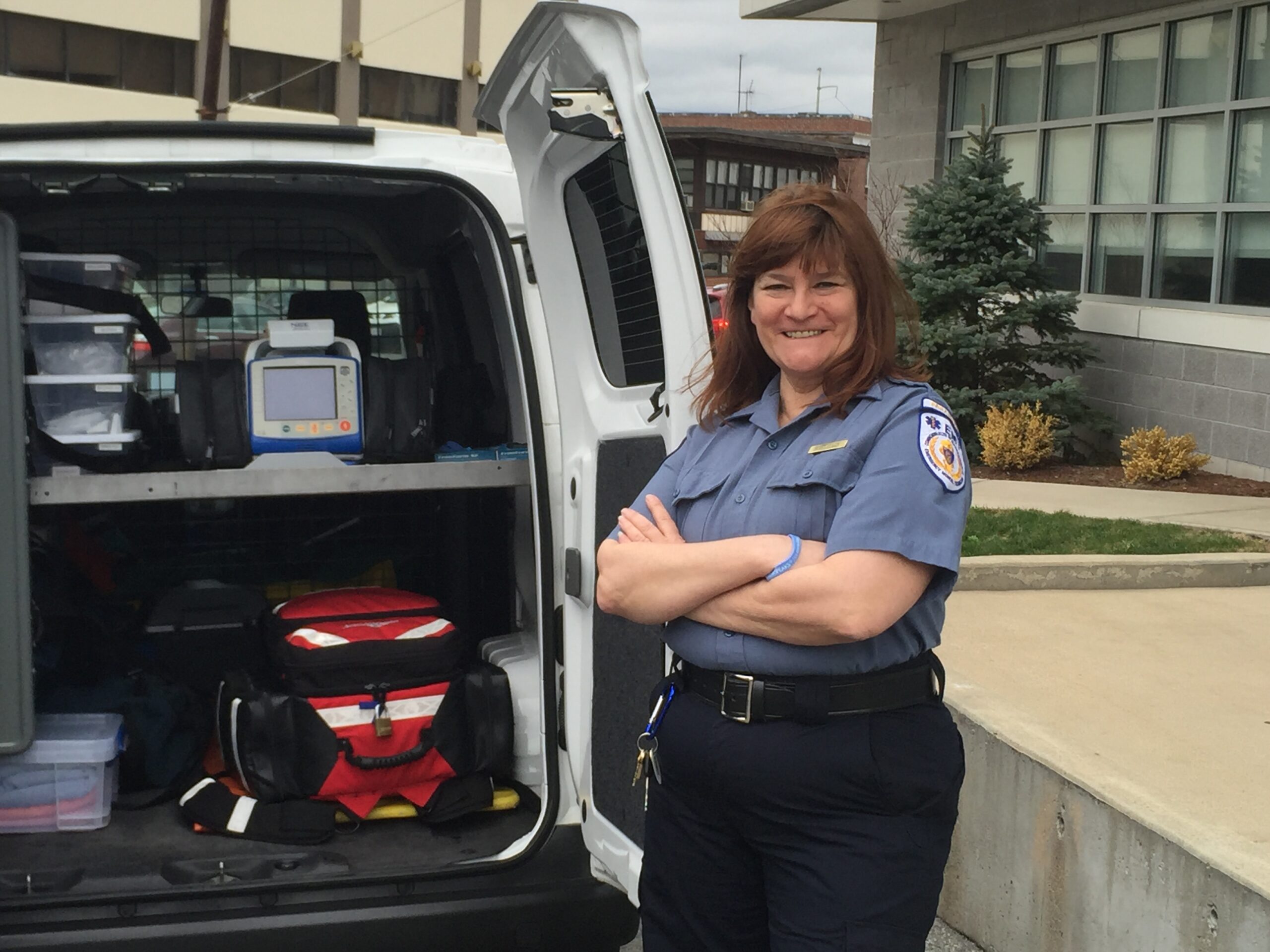
There are no “one-size-fits-all” solutions when it comes to mobile integrated healthcare or community paramedicine. Instead, there are custom solutions and best practices that user-partners apply across a variety of applications. To best tackle these dynamic situations, SmartCare paramedics are trained to a national certification standard with over 250 additional clinical and field hours specific to mobile integrated healthcare. Candidates are selected for skill and the ability to work with patients effectively in dynamic, clinical situations.
Home Health
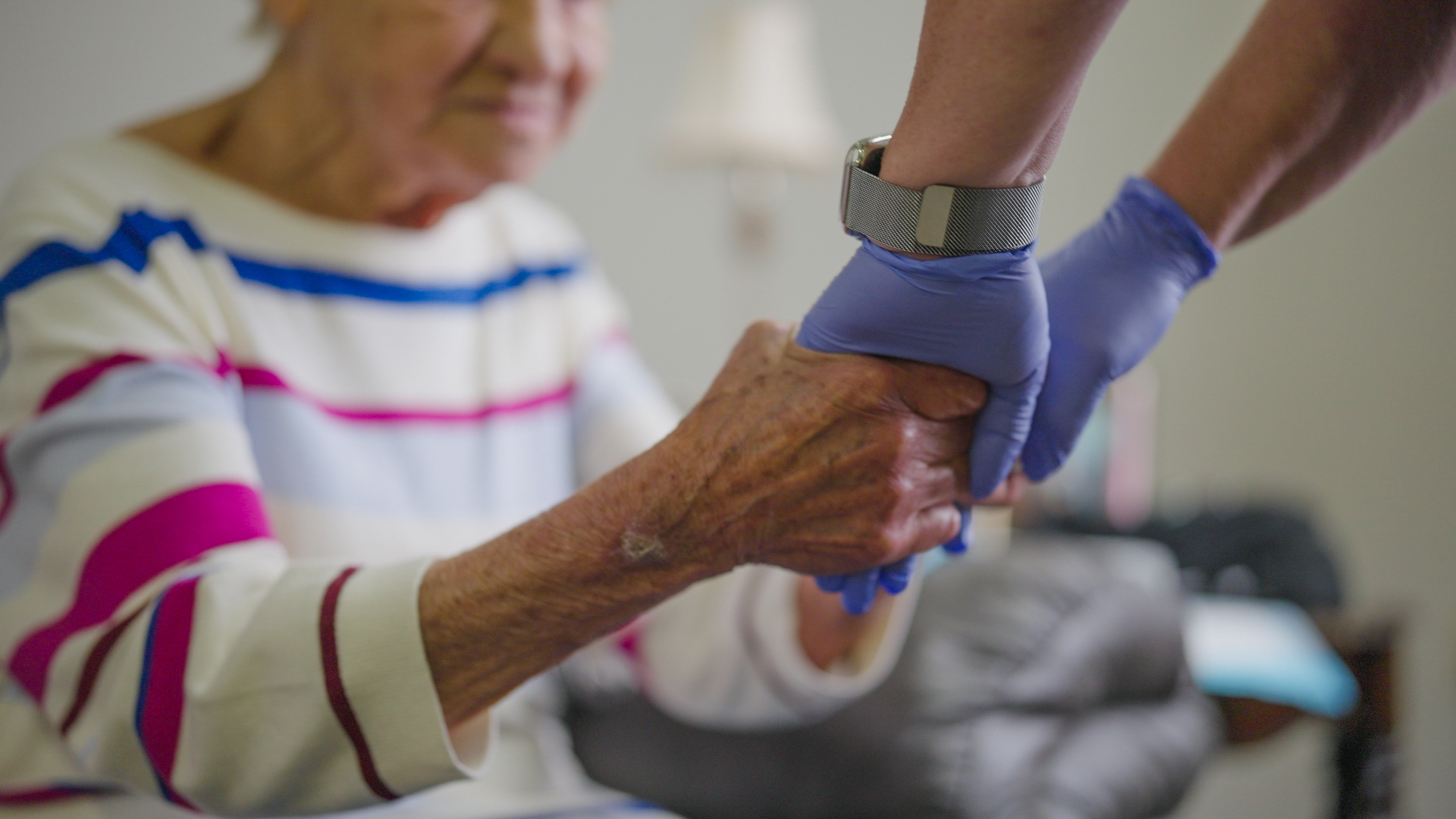
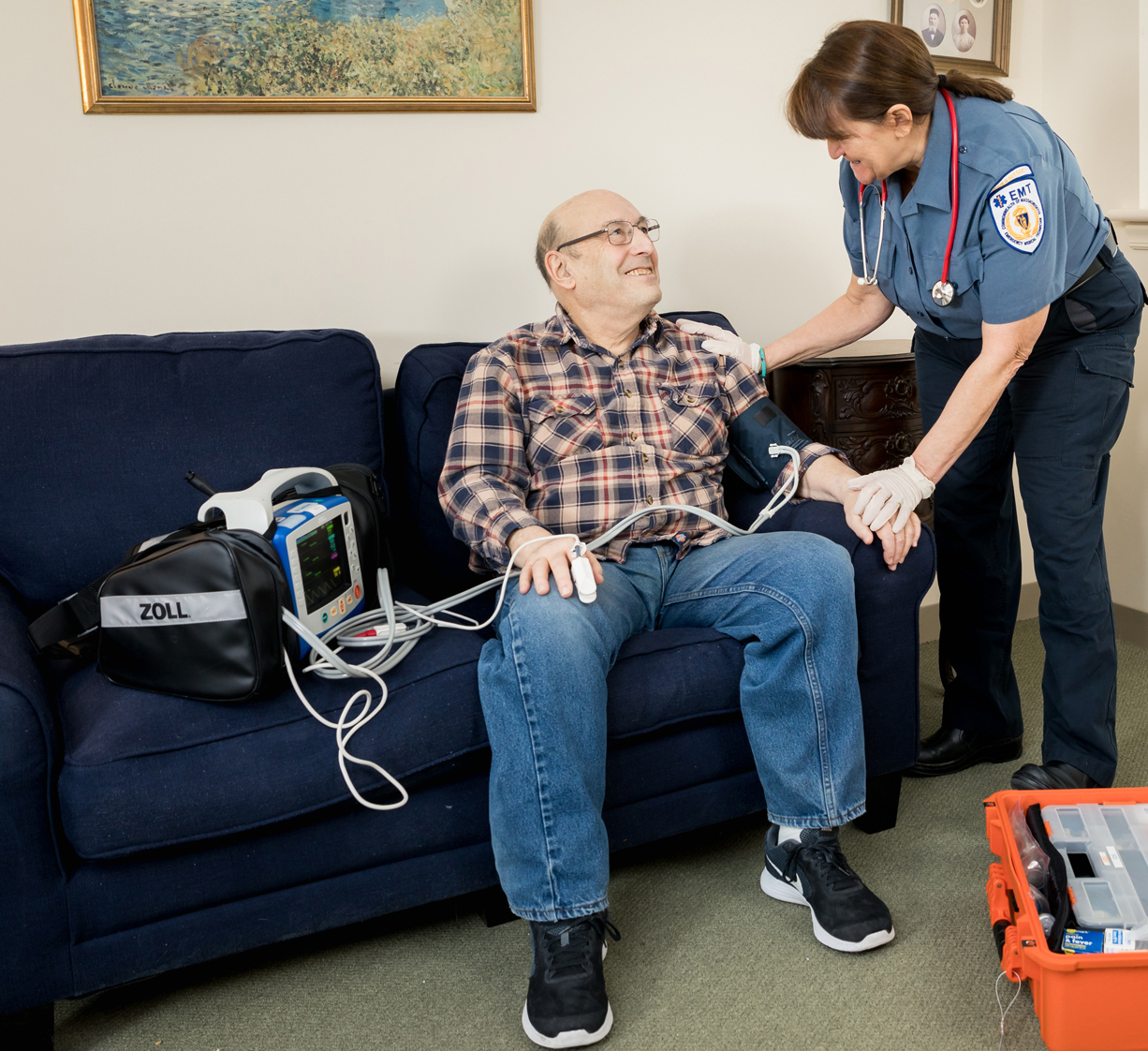
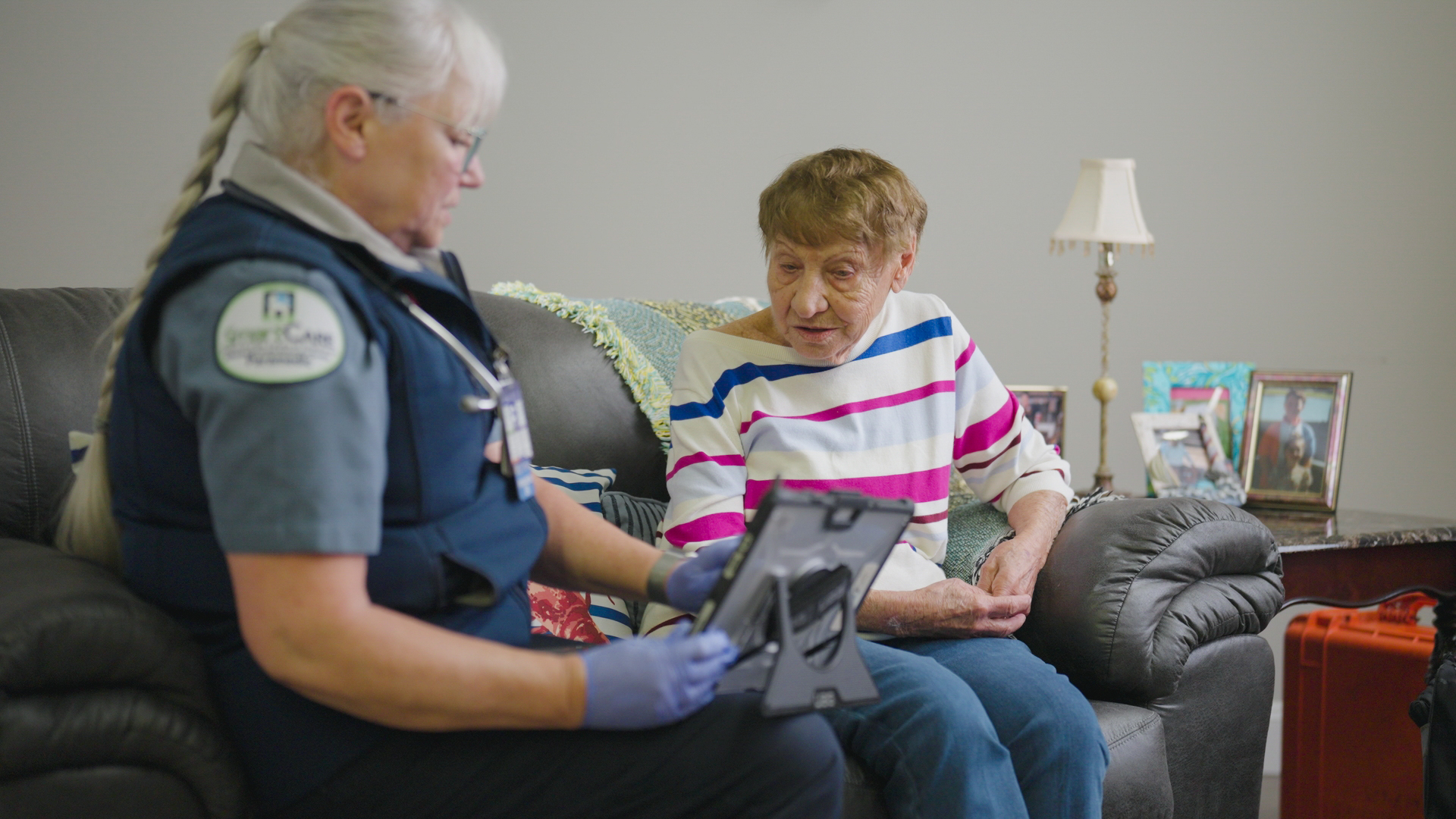
SmartCare services allow patients to remain in their homes or facilities instead of requiring a visit to a clinical setting for support. We utilize a series of internal programs to best serve each patient’s unique medical needs:
Customized Program
Call Center Support
Patient Monitoring
End to End
Emergency Department Avoidance
According to the research, two thirds of hospital ED visits in the US annually (by privately insured individuals) are avoidable. Two thirds of 27 million annual visits, equals 18 million avoidable, hospital emergency department visits that add $32 billion in costs to the healthcare system each year. Many of these patients can be treated safely and swiftly in non-ED settings. The most common conditions for which people had an avoidable ED visit were: sinusitis, stomach pain, rashes or skin conditions, acid reflux, bronchitis, dental pain, back pain, allergies, urinary tract infections, and ear and eye infections.
SmartCare fills the gaps of the healthcare system by providing an expandable network of medical caregivers who can act as physicians' eyes, ears, and hands out in the field. By partnering with organizations to provide mobile integrated healthcare (MIH) and community paramedicine, our teams are able to visit patients in their homes and provide support for urgent care needs. This approach results in a reduction of ER visits, unnecessary hospitalizations and creates an alternative for patients unable to manage frequent office visits.
%
Improved Outcomes
SmartCare Data shows that more than 90% of calls are resolved without an escalation to a local emergency room. Additionally, healthcare providers report a reduction in hospitalizations within 30 days of a SmartCare visit.
Customized Program
The development of a program starts with a gap analysis. Service delivery or coverage gaps are often what prompt user-partners to consider an MIH or CP solution.
During the process of discussing resources and opportunities, other potential applications are identified.
Call Center Support
SmartCare offers user-partners a dedicated call center and dispatch function. Calls are managed and responded to as required.
Call center coverage and support is a fast-growing segment of SmartCare, as organizations realize it may be more efficient and economical to subcontract than coordinate overnight or call center coverage.
Patient Monitoring
Remote monitoring for patients in specific programs, as well as regularly scheduled wellness monitoring, are both resources available through SmartCare.
End to End
From the press of the call button worn by a patient, to long term monitoring of chronically ill or frail residents in the community, SmartCare can manage and support patients across the healthcare continuum.
The SmartCare Approach
The unique SmartCare approach ensures that every user-partner creates a customized program best suited to the needs of their patient populations. SmartCare partners also have the opportunity to share insights, best practices, and recommendations for innovation. In this way the SmartCare user community actively participates in developing the next generation tools their patients need most.
Patient Management
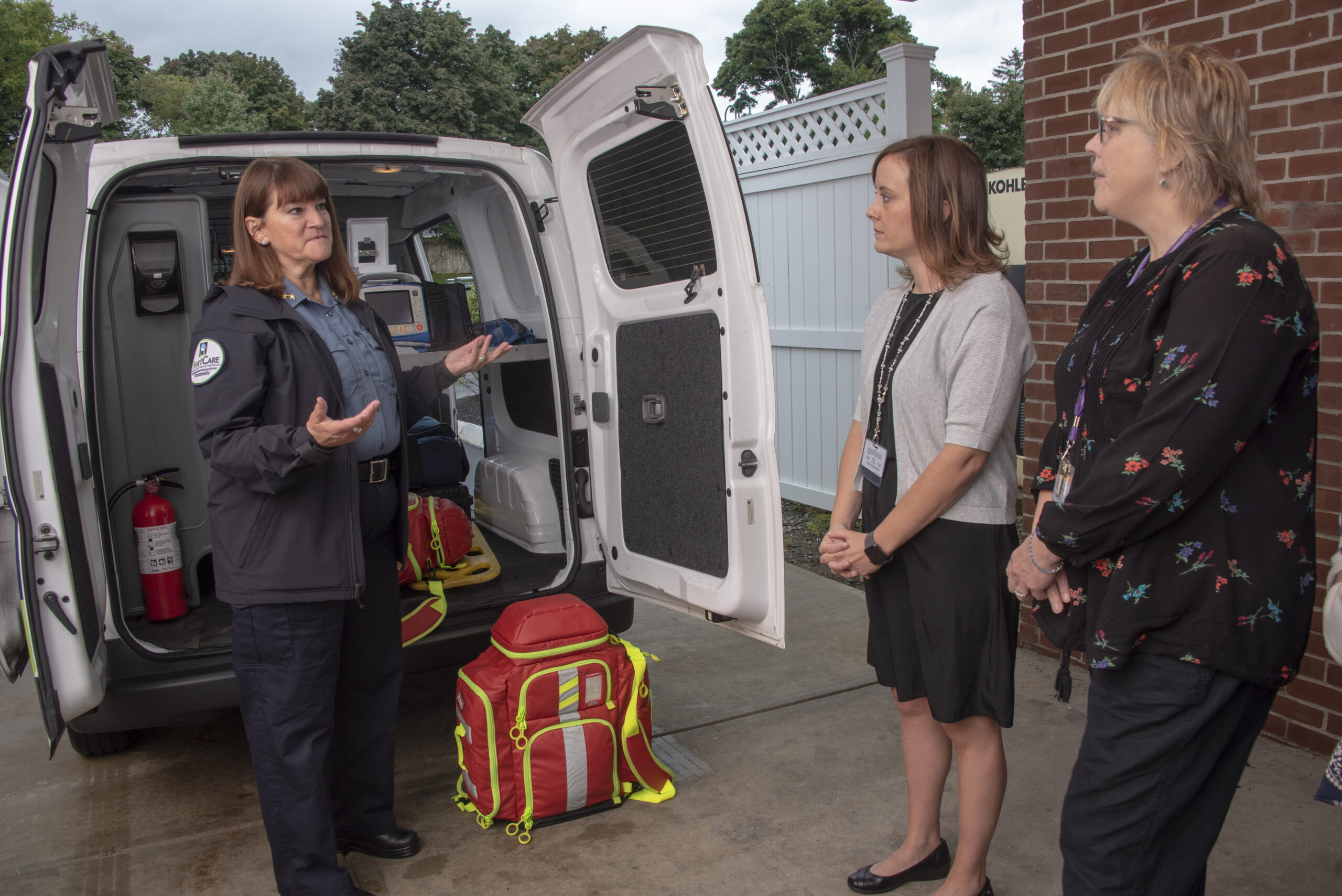
- On-demand, on-site visits with diagnostics and treatment options
- Ability to call for transport to ED if required – SC Paramedic can accompany patient
- Onsite IV management/labs
- 24/7 Call Center for after-hours urgent care
- Reduce the need for “on-call” staffing
- Reduce loss of bed revenue from re-admissions
Call Center
Patient care doesn't have business hours. Neither does SmartCare.
The Call Center is staffed around the clock by highly motivated, experienced tele-communicators with a rigorous QA process and mandatory continuing education. The Call Center has multiple fail-safe systems in place to ensure continuous availability of the highest care. SmartCare tele-communicators are trained in monitoring tele-health devices to quickly alert medical personnel of changes in patient status per established protocols. Every SmartCare tele-communicator is required to be certified in:
Priority Emergency Medical Dispatch
CPR
Pre-arrival instruction & medical triage
AT&T Language Line (language translation)
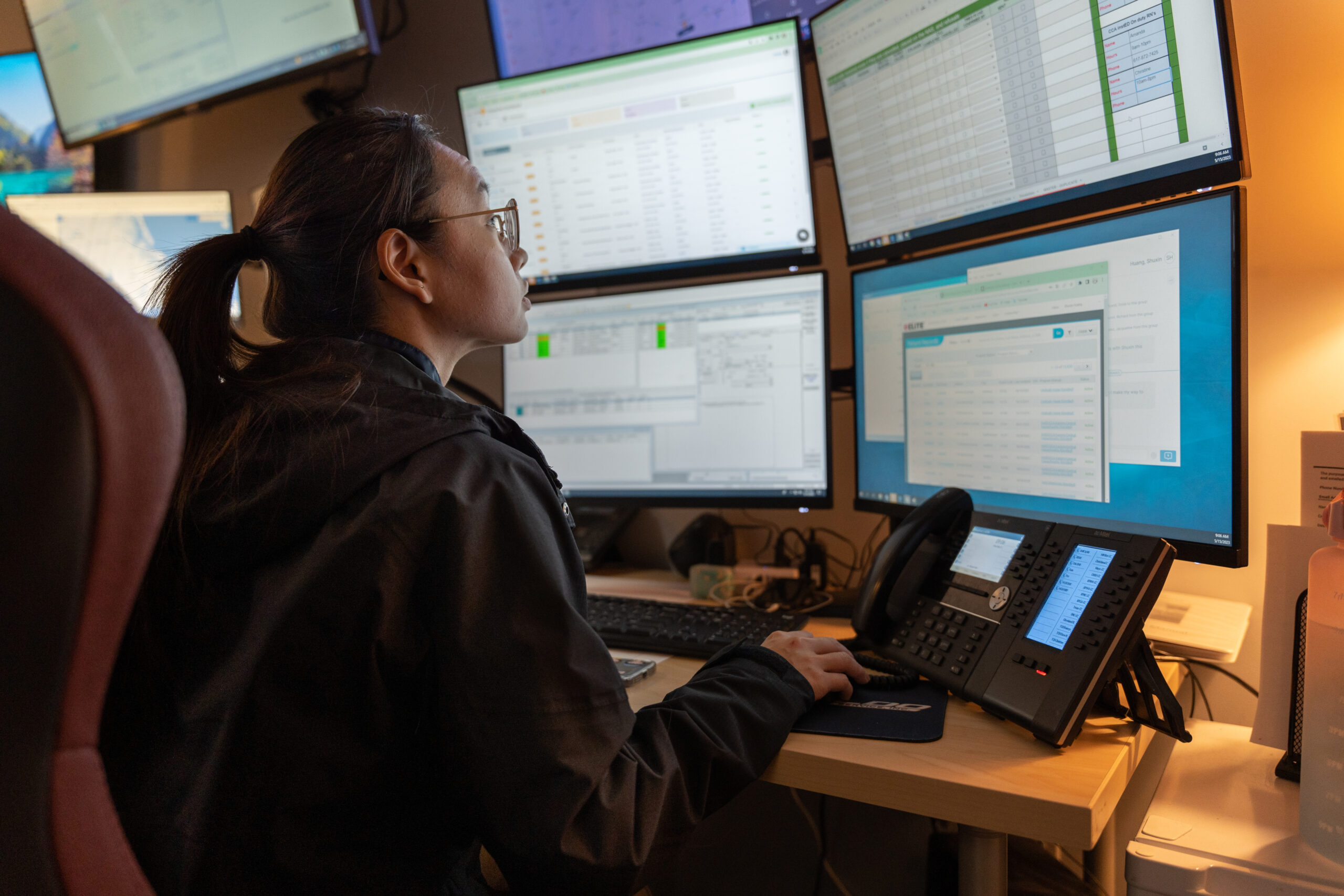
The EMD Quality Assurance team is a professional staff that meet and exceed national standards. EMDQA certification provides our team with the tools required to properly evaluate and score the six elements of the Priority Dispatch System. The SmartCare team has designed and implemented quality management records system and annual training programs. Employees work diligently to achieve timely quality patient care and maintain the highest standards available in the industry.
Behavioral Health
- MIH helps behavioral health organizations collaborate with EMS, hospitals, paramedics, and police, making mental health services accessible through remote care options.
- Behavioral Health providers with Mobile Integrated Health services can assist Emergency Medical Services (EMS) professionals and police in serving community health and relieve overburdened hospital systems. When the strain is too great on emergency resources in the community, fewer individuals can receive the help they need. If care providers like behavioral health professionals had MIH services, they could take on additional clients from EMS, providing in-house telehealth services. They can offer relief to prevent overfilled hospitals and save clients unnecessary hospital bills.
- Additionally, police officers in some areas regularly encounter individuals experiencing mental health crises, like overdose or suicidal behaviors. Officers spend time transporting these individuals to jails or hospitals, keeping them from attending to public safety emergencies. Police officers can offer these individuals a referral for immediate, remote mental health treatment via telehealth with a behavioral health professional.
Hospice
Mobile Integrated Health (MIH) decreases the amount of transportation of hospice patients to the ED. MIH also provides hospice education, family grief support and develops treatment plans to aid hospice nurses.
With an expanded scope of practice with an expanded medication formulary, MIH clinicians are able to complement the care that hospice patients receive.